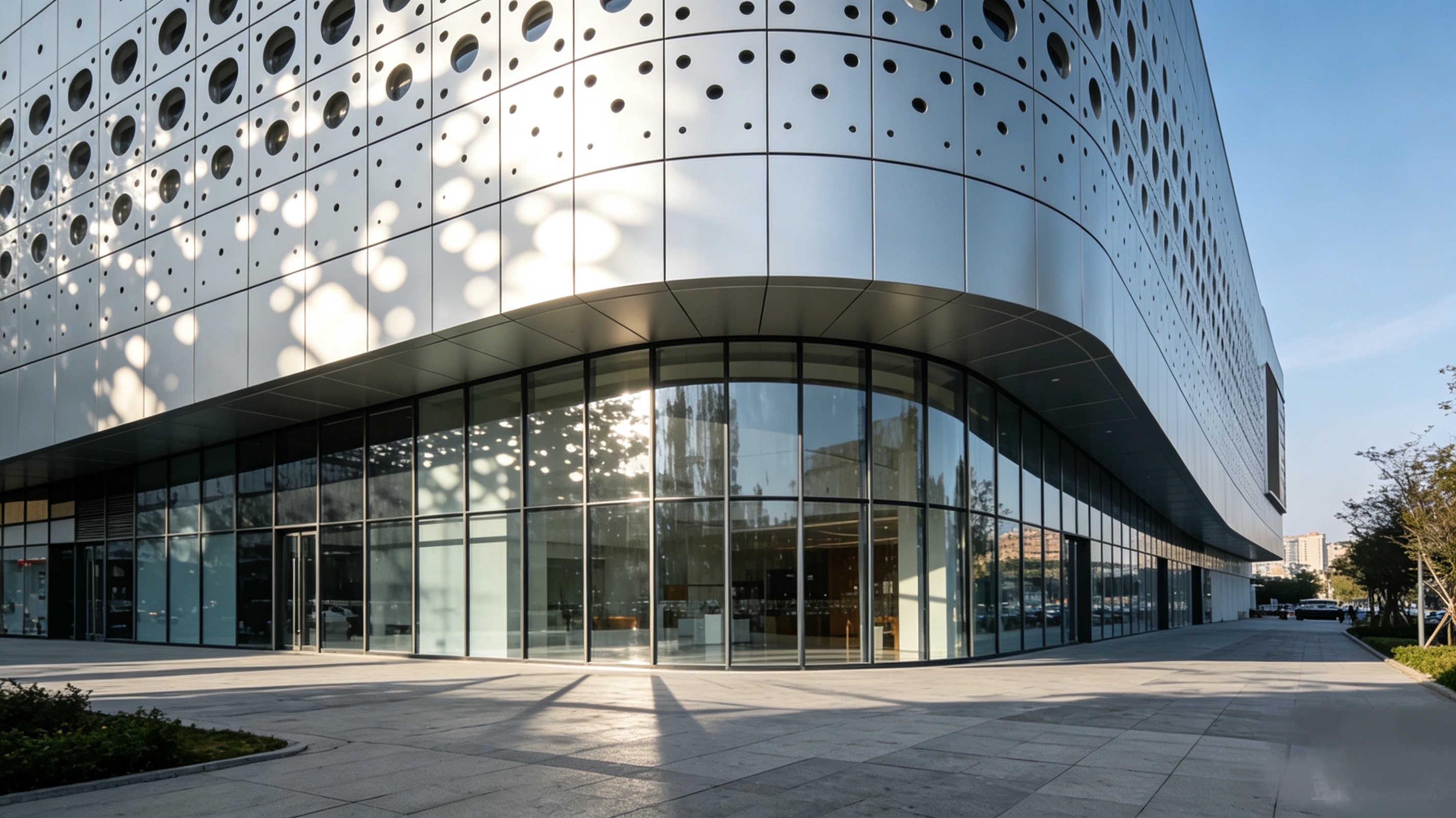
Perforated panel designs
Choose a design to see the original image, the detail it illustrates and what to include in a project brief.
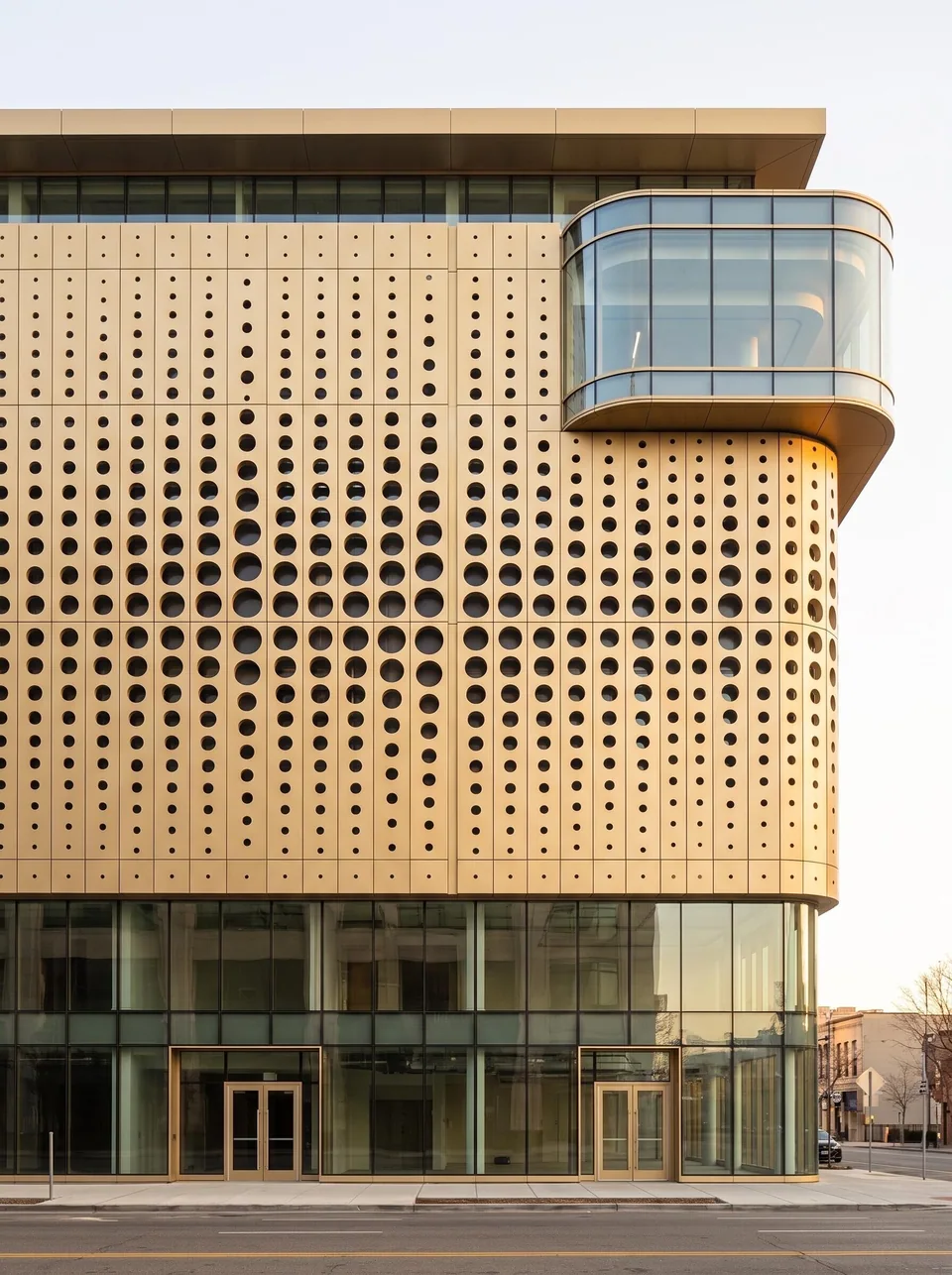
View design details ↗
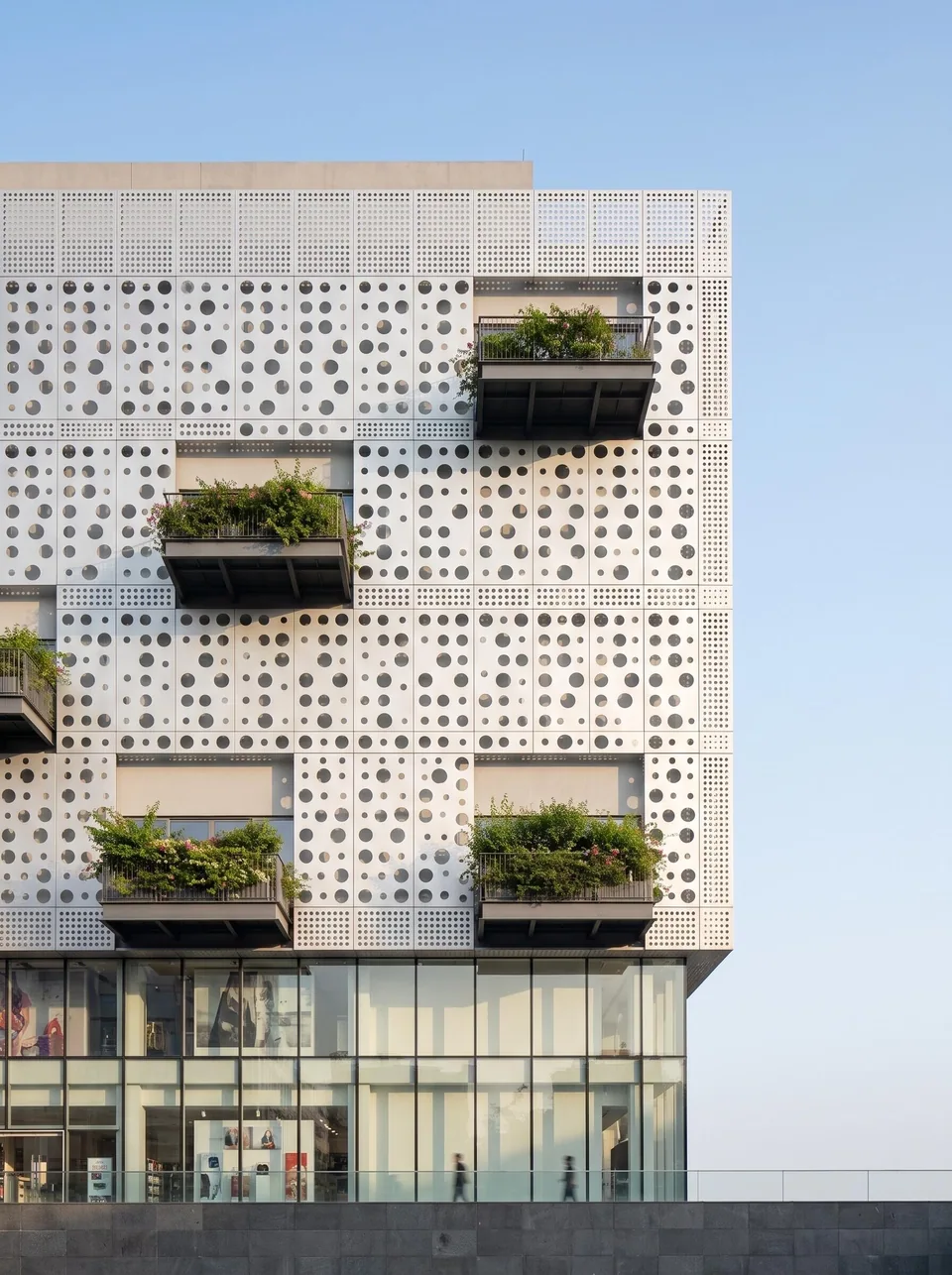
View design details ↗
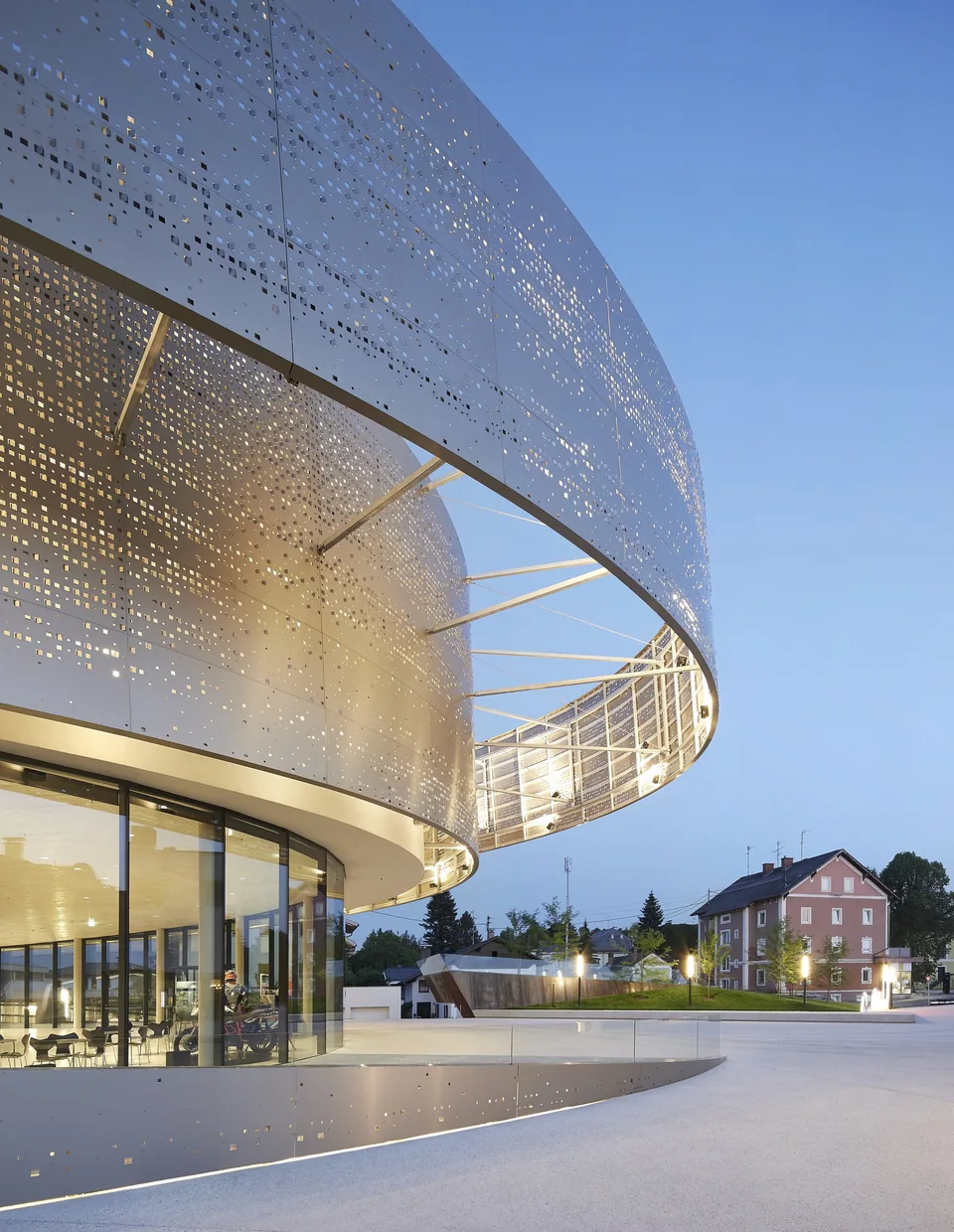
View design details ↗
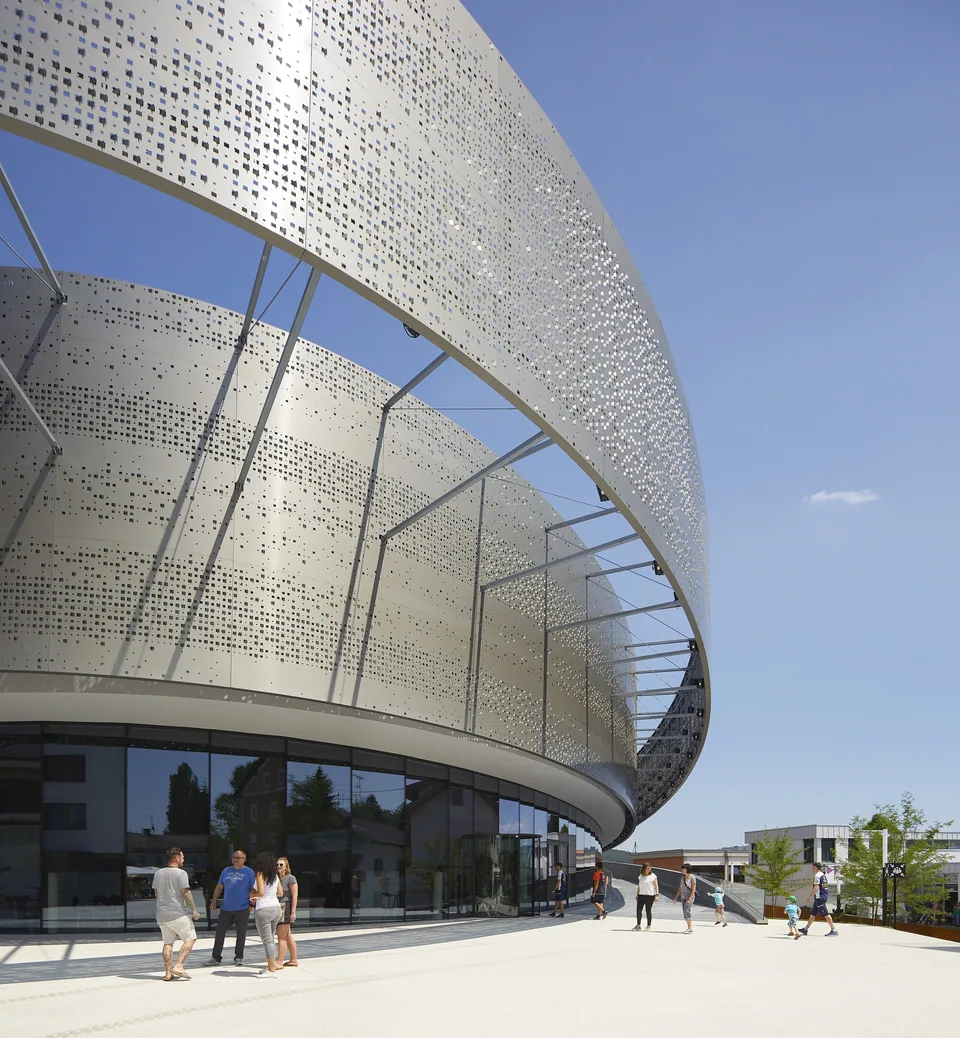
View design details ↗
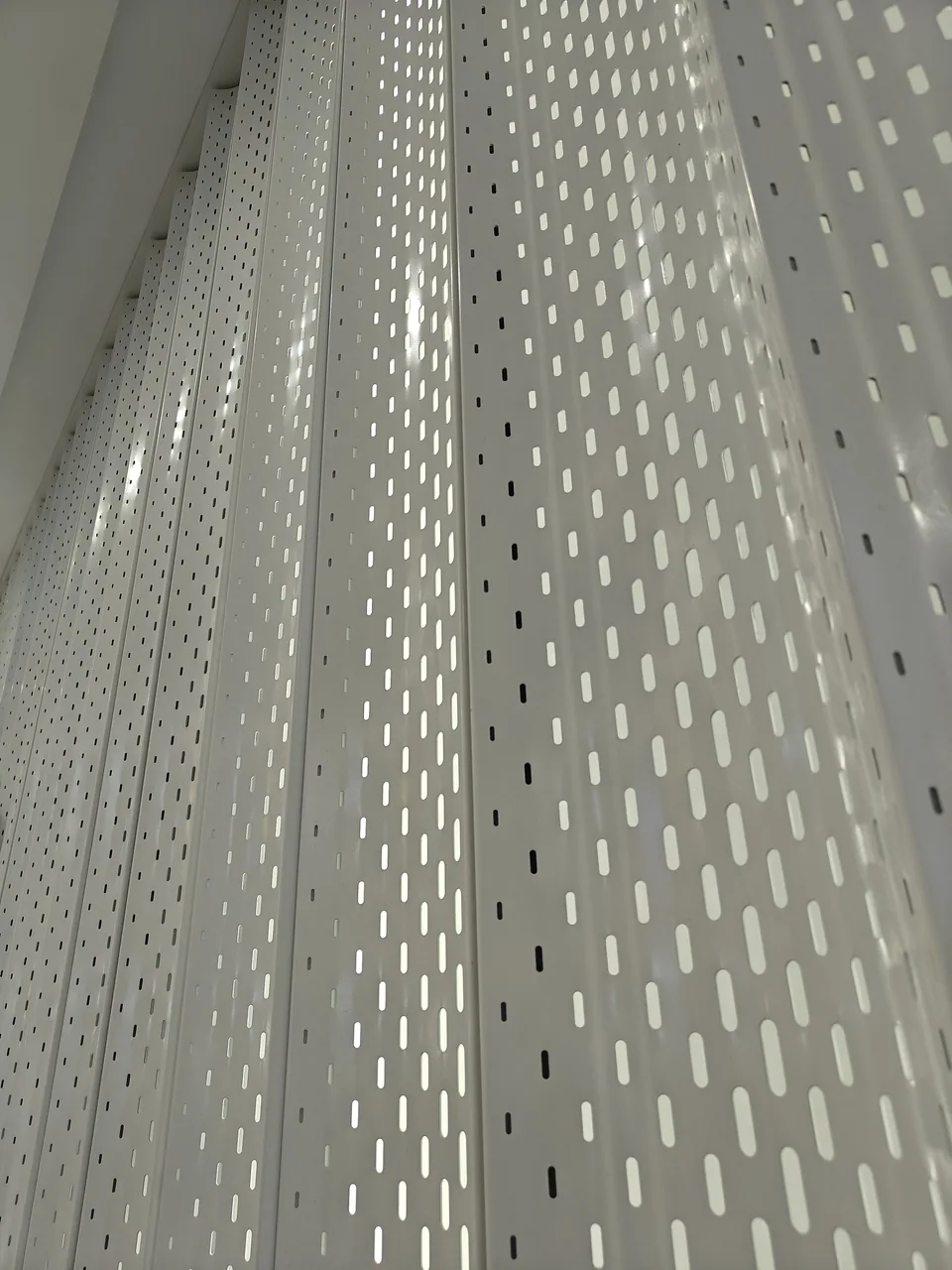
View design details ↗
Plan the right configuration
Use perforated aluminum panels to create a controlled facade pattern, screen or decorative surface. Develop the hole layout, panel joints and backing condition as one composition.
Pattern and scale
Hole shape, size and spacing affect the visual rhythm. Review the pattern both close up and across the full elevation.
Transparency and backing
The wall, glazing or lighting behind a perforated surface changes how the pattern reads during the day and at night.
Panel layout
Coordinate perforations with edges, joints, corners and support zones to avoid an unintended break in the pattern.
What to consider
- Pattern and scale
- Transparency and backing
- Panel layout
Prepare your project brief
- Elevation and panel layout
- Pattern reference or artwork
- Panel dimensions and backing condition
- Finish, viewing distance and fixing-zone requirements
Questions before you enquire
Can a pattern continue across several panels?
Share the full elevation and artwork so the pattern can be coordinated with panel joints, margins and fabrication constraints.
Does a perforated panel guarantee shading or acoustic performance?
The pattern is one part of the design. Any performance requirement needs confirmation through the complete project specification and relevant evidence.
What information is needed for a quotation?
Send the project location, dimensions or quantities, relevant drawings or site photos, preferred appearance and target schedule. The selected configuration, material and finish are confirmed against the project brief.
Start with your project.
Share the location, dimensions or quantities, photographs or drawings and the design direction you prefer.